

Bitcoin mining has evolved significantly since its inception, becoming a crucial component of the cryptocurrency ecosystem. As Bitcoin’s price recently surged to $87,396, its highest level since January, the mining industry is witnessing renewed interest and investment. This article explores the current trends in Bitcoin mining, its implications for the market, and future predictions.
Understanding Bitcoin Mining
At its core, Bitcoin mining involves solving complex mathematical problems to validate transactions on the Bitcoin network. Miners use powerful computers to compete in this process, and the first to solve the problem gets to add a new block to the blockchain and is rewarded with newly minted Bitcoin.
The Impact of Bitcoin’s Price Surge
The recent price increase has reignited interest in Bitcoin mining. As noted by OneMiners, Bitcoin’s price reached $87,396, marking a significant milestone. This surge can lead to increased profitability for miners, encouraging more participants to enter the market.
With higher prices, miners are incentivized to invest in more efficient hardware and energy sources. The competition among miners is intensifying, leading to advancements in mining technology and strategies.

Technological Advancements in Mining
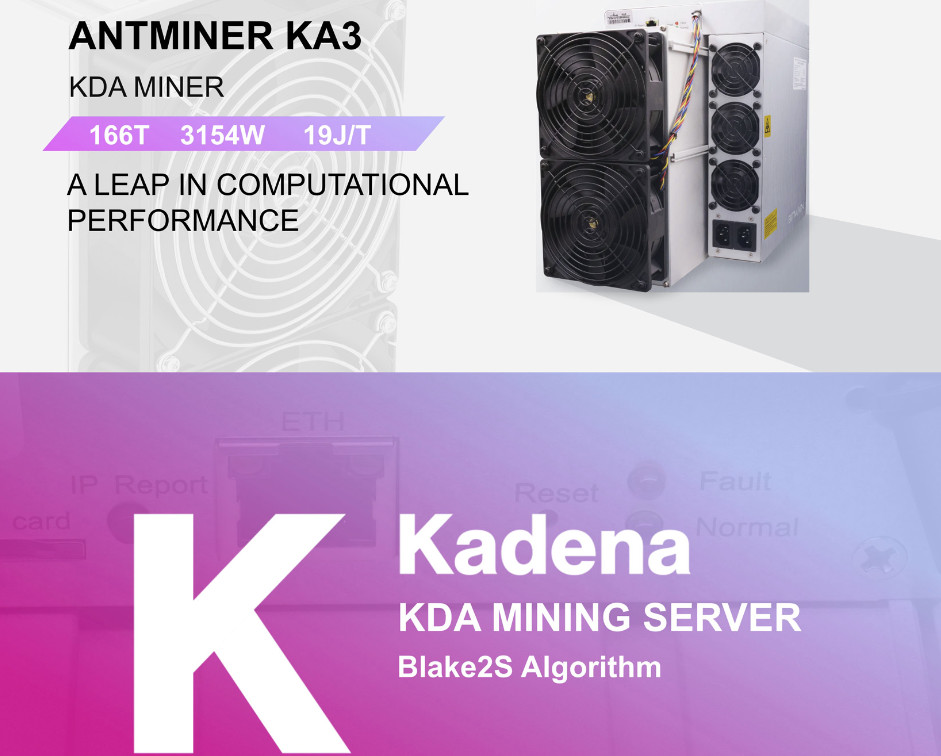
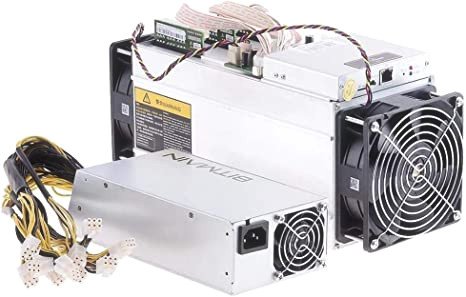
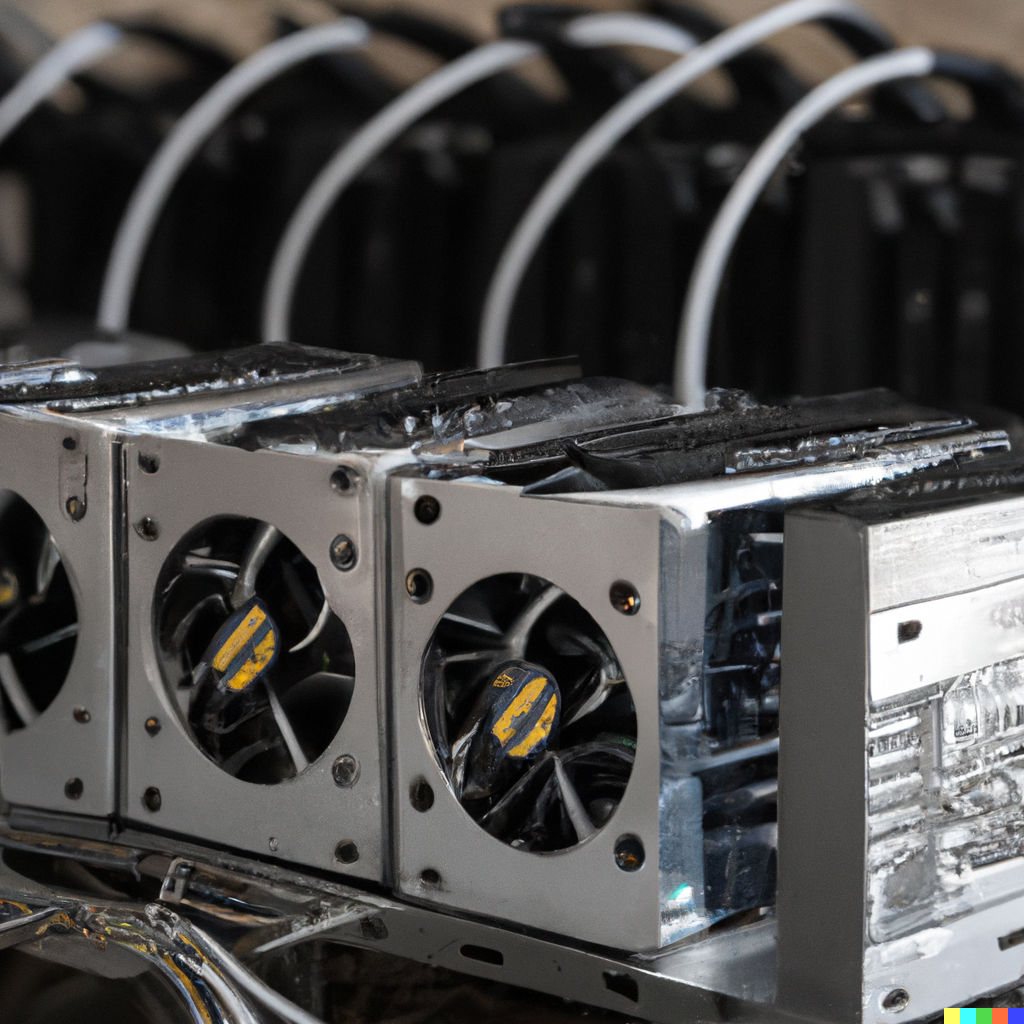
As the mining landscape evolves, so do the technologies that support it. Innovations in ASIC (Application-Specific Integrated Circuit) miners have made it possible to achieve higher hash rates while consuming less energy. This efficiency is crucial as energy costs remain a significant factor in mining profitability.
Moreover, the integration of renewable energy sources into mining operations is gaining traction. Miners are increasingly looking to solar, wind, and hydroelectric power to reduce their carbon footprint and operational costs. This shift not only benefits the environment but also enhances the sustainability of Bitcoin mining.
Market Trends and Predictions
The Bitcoin mining market is influenced by various factors, including regulatory changes, technological advancements, and market demand. According to a report by CoinDesk, Citigroup has raised its 12-month Bitcoin target to $113,000, indicating strong market confidence. Such predictions can lead to increased investment in mining operations as miners anticipate higher future returns.
Additionally, the rise of Bitcoin ETFs (Exchange-Traded Funds) has opened new avenues for institutional investment. As noted in the Bitcoin Magazine, the institutional era for Bitcoin is upon us, with major players entering the market. This influx of capital can further drive demand for Bitcoin mining.
Challenges Facing Bitcoin Miners
Despite the positive outlook, Bitcoin miners face several challenges. Regulatory scrutiny is increasing, with governments worldwide looking to impose stricter regulations on cryptocurrency mining. This could impact operational costs and the feasibility of mining in certain regions.
Moreover, the environmental impact of Bitcoin mining remains a contentious issue. As miners seek to balance profitability with sustainability, the industry must address concerns related to energy consumption and carbon emissions.
Conclusion
Bitcoin mining is at a pivotal moment, driven by technological advancements and market dynamics. As the price of Bitcoin continues to fluctuate, miners must adapt to changing conditions while embracing sustainable practices. The future of Bitcoin mining looks promising, but it will require innovation and resilience to navigate the challenges ahead.