

Bitcoin mining is a critical process that underpins the entire Bitcoin network. It involves validating transactions and adding them to the blockchain, ensuring the integrity and security of the cryptocurrency. As Bitcoin continues to gain traction, understanding the nuances of mining becomes increasingly important.
What is Bitcoin Mining?
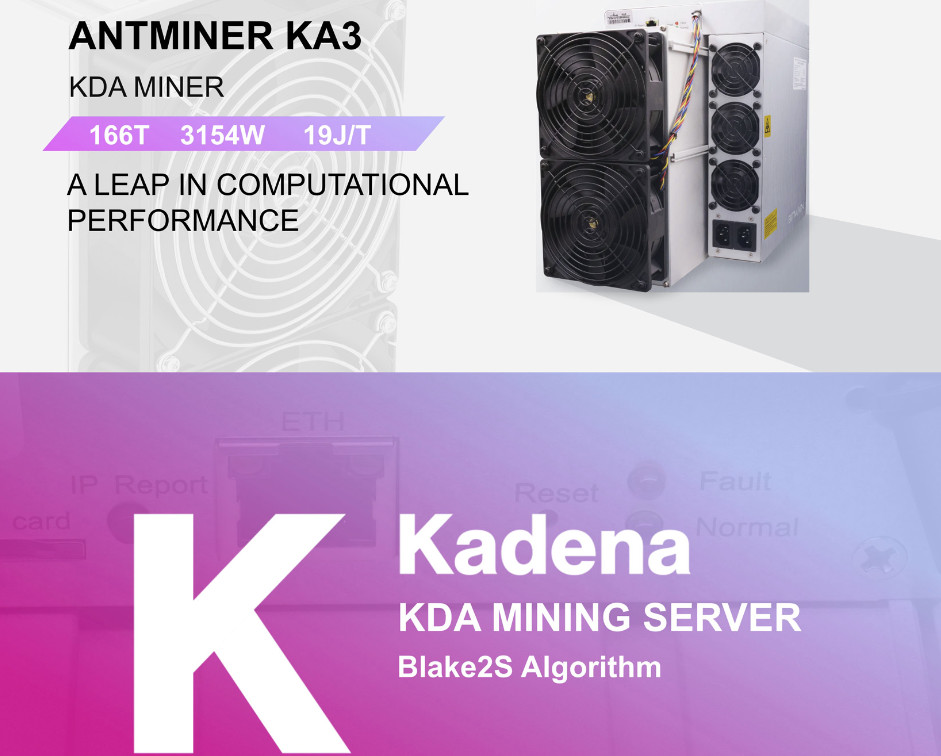
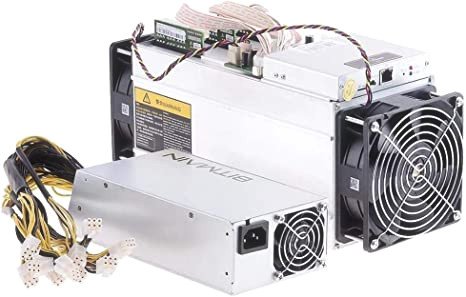
At its core, Bitcoin mining is the process of solving complex mathematical problems to validate transactions. Miners use powerful computers, known as ASICs (Application-Specific Integrated Circuits), to compete in solving these problems. The first miner to solve the problem gets to add a new block to the blockchain and is rewarded with newly minted bitcoins.
The Mining Process
- Transaction Verification: Miners collect transactions from the Bitcoin network and verify their authenticity.
- Block Creation: Once verified, these transactions are grouped into a block.
- Proof of Work: Miners then compete to solve a cryptographic puzzle, known as proof of work, to add the block to the blockchain.
- Reward: The successful miner receives a reward in the form of bitcoins and transaction fees.
Challenges in Bitcoin Mining
While Bitcoin mining can be lucrative, it also comes with significant challenges:
- High Energy Consumption: Mining requires substantial electricity, leading to concerns about its environmental impact.
- Hardware Costs: The initial investment in mining hardware can be high, and technology is constantly evolving.
- Market Volatility: The profitability of mining can fluctuate based on Bitcoin’s market price and mining difficulty.
According to a recent article from OneMiners, Bitcoin’s price can significantly impact mining profitability. As the price of Bitcoin fluctuates, so does the incentive for miners to continue their operations.

Technological Advancements in Mining
As the Bitcoin network grows, so does the technology used in mining. Innovations are continuously being developed to improve efficiency and reduce costs:
- ASIC Miners: These specialized devices are designed specifically for mining Bitcoin, offering higher performance than traditional CPUs or GPUs.
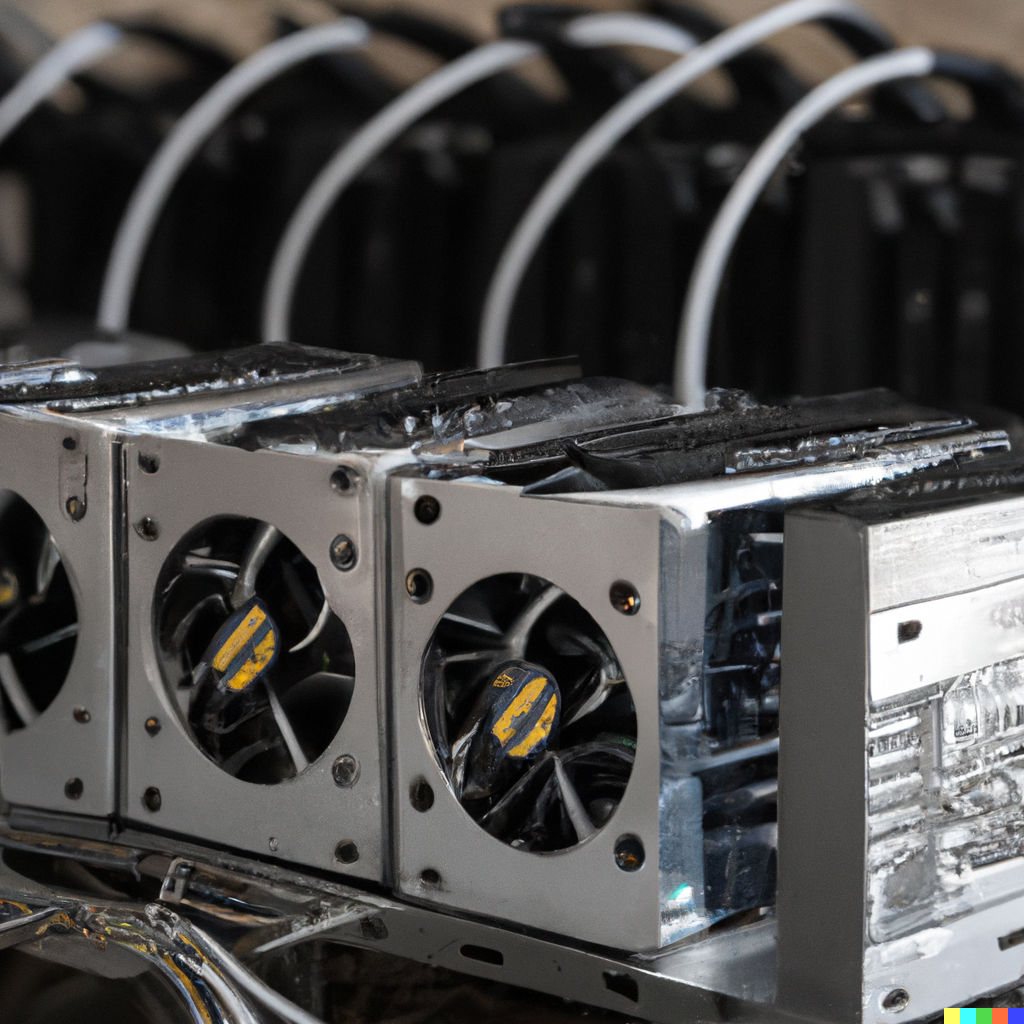
- Cooling Solutions: Advanced cooling systems are being implemented to manage the heat generated by mining operations, ensuring optimal performance.
- Renewable Energy Sources: Some miners are turning to renewable energy sources to power their operations, reducing their carbon footprint.
For more insights on the evolving landscape of cryptocurrency regulations, check out this article from CoinDesk.
The Future of Bitcoin Mining
The future of Bitcoin mining is uncertain but promising. As regulations evolve and technology advances, miners will need to adapt to remain competitive. The integration of AI and machine learning in mining operations could lead to more efficient processes and better decision-making.
Moreover, the ongoing discussions around Bitcoin’s environmental impact may push the industry towards more sustainable practices. As highlighted in a recent Bitcoin Magazine article, the industry is already exploring ways to mitigate its energy consumption.
Conclusion
Bitcoin mining is a complex yet fascinating aspect of the cryptocurrency world. As technology continues to evolve and the market fluctuates, miners must stay informed and adapt to the changing landscape. Understanding the challenges and advancements in mining will be crucial for anyone looking to engage in this space.