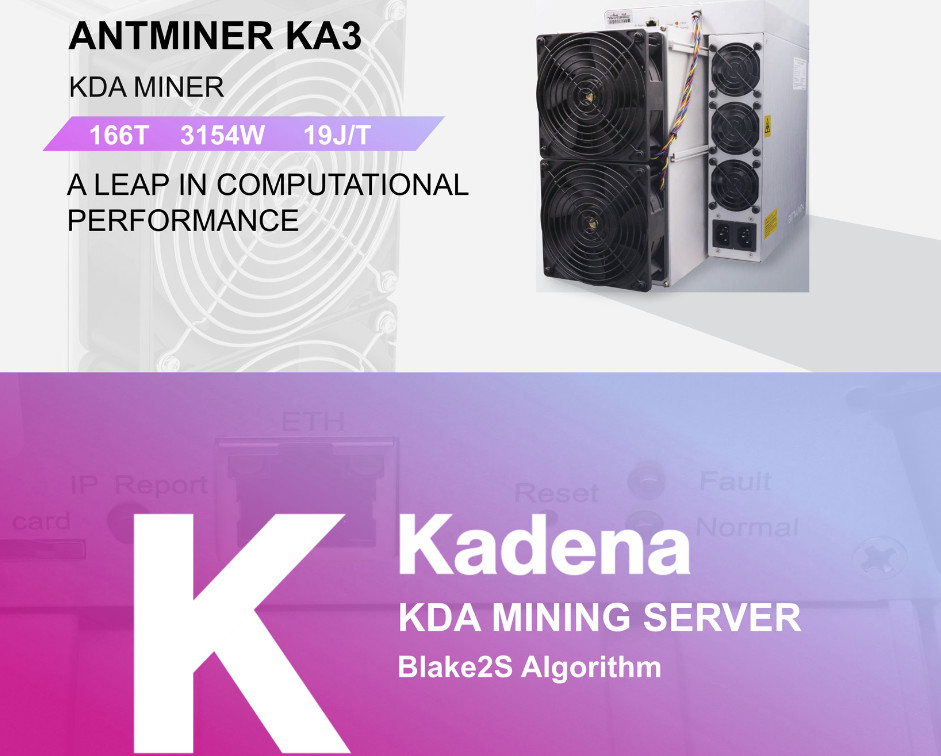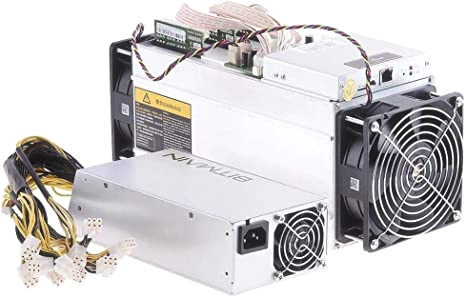

Bitcoin mining is a crucial process that underpins the entire Bitcoin network. It involves validating transactions and adding them to the blockchain, ensuring the integrity and security of the cryptocurrency. In this article, we will explore how Bitcoin miners are tested before they go live, the economic implications of mining, and the future trends that may shape this industry.
How Bitcoin Miners Are Tested
Before a Bitcoin miner can start operating, it undergoes a rigorous testing process. According to OneMiners, this process includes unboxing, burn-in tests, and checks for hashrate and temperature. These steps ensure that the miner is functioning optimally and can handle the demands of mining.
Key Testing Phases
- Unboxing: Inspecting the miner for any physical damage.
- Burn-in: Running the miner continuously to identify potential issues.
- Hashrate Checks: Verifying the miner’s performance against expected benchmarks.
- Temperature Monitoring: Ensuring the miner operates within safe temperature limits.
This thorough testing is essential as it helps prevent failures that could lead to financial losses for miners.

The Economic Impact of Bitcoin Mining
Bitcoin mining has significant economic implications, particularly in regions where it is heavily concentrated. For instance, a recent report from CoinDesk highlights that Bitcoin miners contribute approximately $350 million annually to Paraguay’s economy. However, the rise of AI technologies is posing challenges to this sector, as contracts for power supply are set to expire soon.
Challenges Facing Miners
- Power Costs: As contracts expire, miners may face increased electricity costs.
- Competition: The emergence of AI and other technologies may divert resources away from mining.
- Regulatory Changes: Potential new regulations could impact operational costs and profitability.
These challenges necessitate that miners adapt to maintain their profitability and operational efficiency.
Future Trends in Bitcoin Mining
As the cryptocurrency landscape evolves, so too does Bitcoin mining. Innovations in technology and shifts in market dynamics are expected to shape the future of this industry. For instance, the integration of renewable energy sources is becoming increasingly important as miners seek to reduce their carbon footprint.
Moreover, as noted by Bitcoin Magazine, market sentiment can significantly influence mining operations. During periods of extreme fear, miners may adjust their strategies to navigate the volatile market.
Conclusion
Bitcoin mining remains a vital component of the cryptocurrency ecosystem. Understanding the testing processes, economic impacts, and future trends can help stakeholders navigate this complex landscape. As the industry continues to evolve, staying informed will be crucial for miners and investors alike.