
Bitcoin mining is a crucial component of the cryptocurrency ecosystem, enabling transactions and securing the network. This article explores the processes involved in Bitcoin mining, the challenges miners face, and the implications for the broader market.
What is Bitcoin Mining?
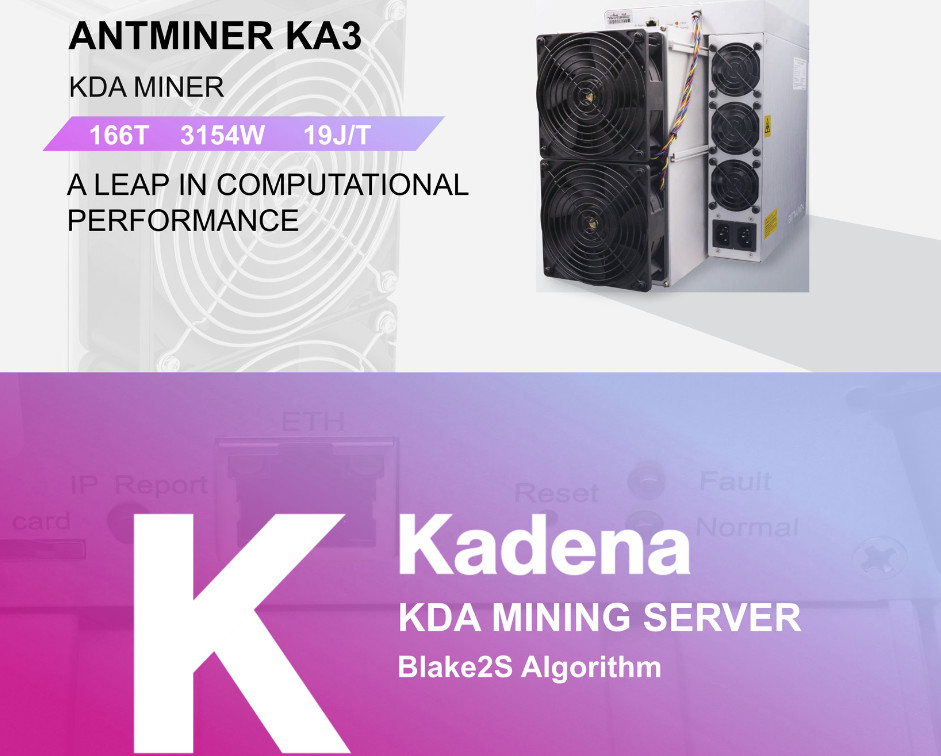
Bitcoin mining is the process by which new bitcoins are created and transactions are verified on the blockchain. Miners use powerful computers to solve complex mathematical problems, which validate transactions and add them to the public ledger. This process not only secures the network but also introduces new bitcoins into circulation.
Testing Bitcoin Miners
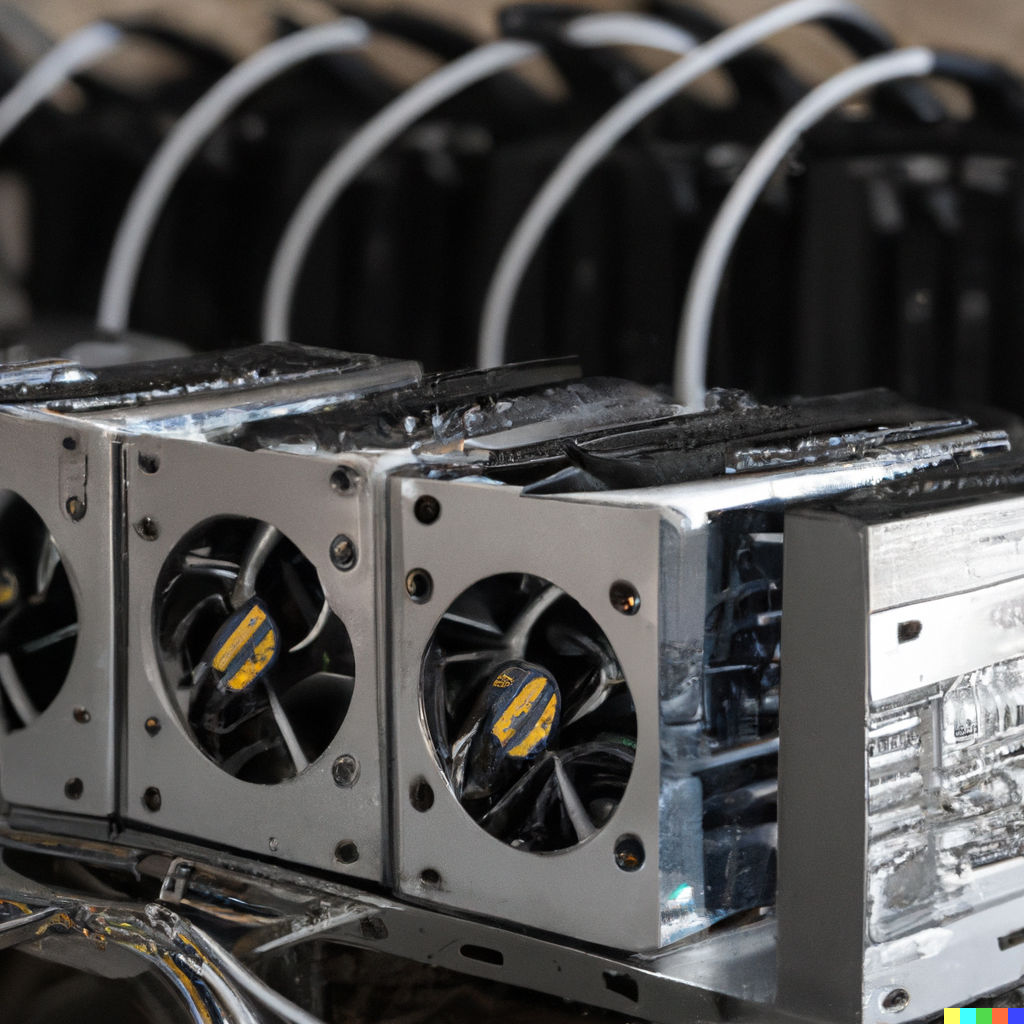
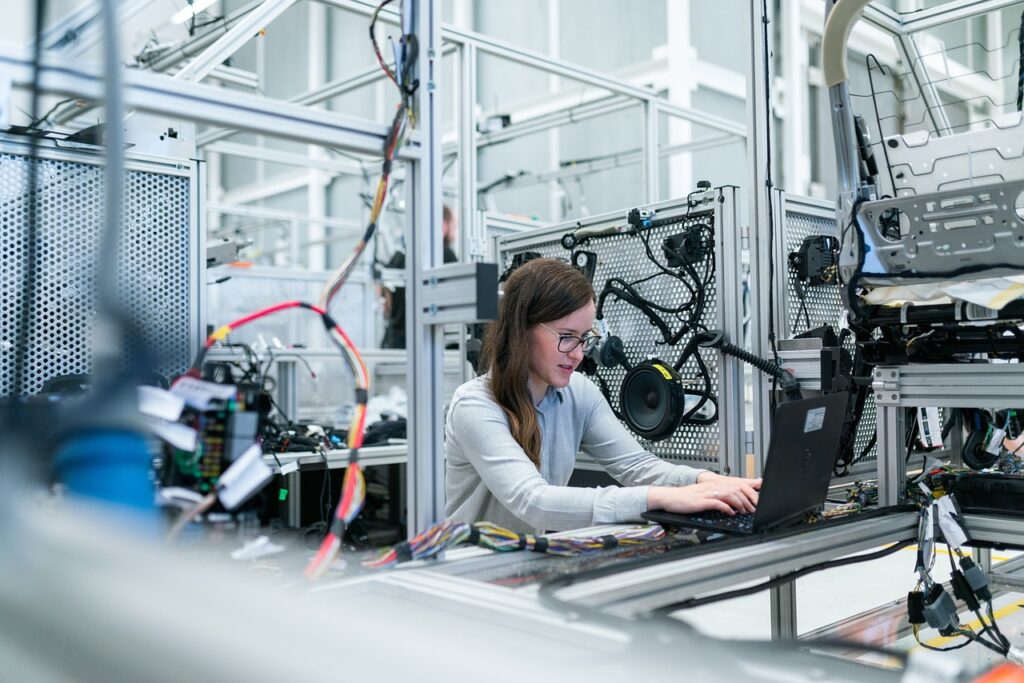
Before a Bitcoin miner goes live, it undergoes rigorous testing to ensure optimal performance. According to OneMiners, this testing phase includes unboxing, burn-in tests, and checks for hashrate and temperature. These steps are crucial for ensuring that the miner operates efficiently and reliably.

Challenges in Bitcoin Mining
Despite its potential for profitability, Bitcoin mining comes with significant challenges:
- Energy Consumption: Mining requires substantial energy, leading to concerns about environmental impact.
- Hardware Costs: The initial investment in mining hardware can be high, especially for competitive miners.
- Market Volatility: Fluctuations in Bitcoin prices can affect the profitability of mining operations.
Environmental Concerns
The energy-intensive nature of Bitcoin mining has sparked debates about its environmental impact. As miners seek cheaper electricity sources, some regions have seen an influx of mining operations. For instance, CoinDesk reports that Kazakhstan is expanding its crypto market, which includes Bitcoin mining, raising questions about sustainability.
The Future of Bitcoin Mining
As technology evolves, so does Bitcoin mining. Innovations in hardware and software are making mining more efficient. Additionally, regulatory developments worldwide will shape the future landscape of mining operations. For example, Bitcoin Magazine highlights how market conditions can influence mining profitability, emphasizing the need for miners to adapt to changing environments.
Conclusion
Bitcoin mining remains a vital aspect of the cryptocurrency ecosystem, with its processes and challenges evolving continuously. Understanding these elements is essential for anyone interested in the future of digital currencies.