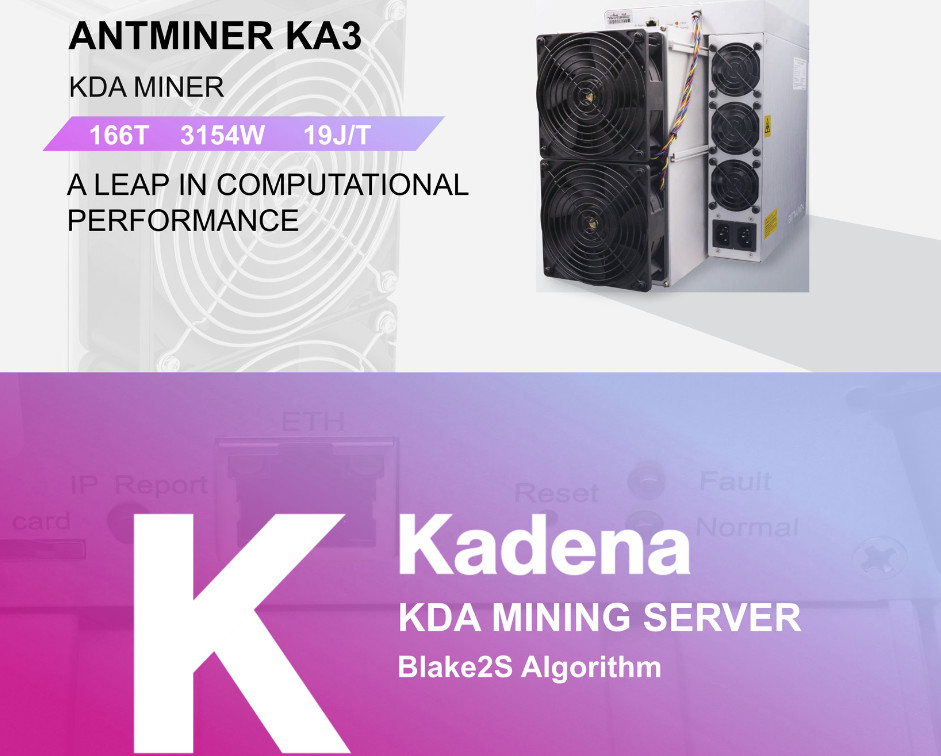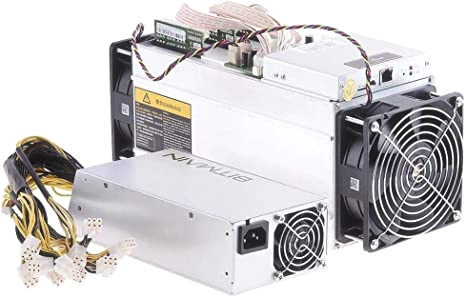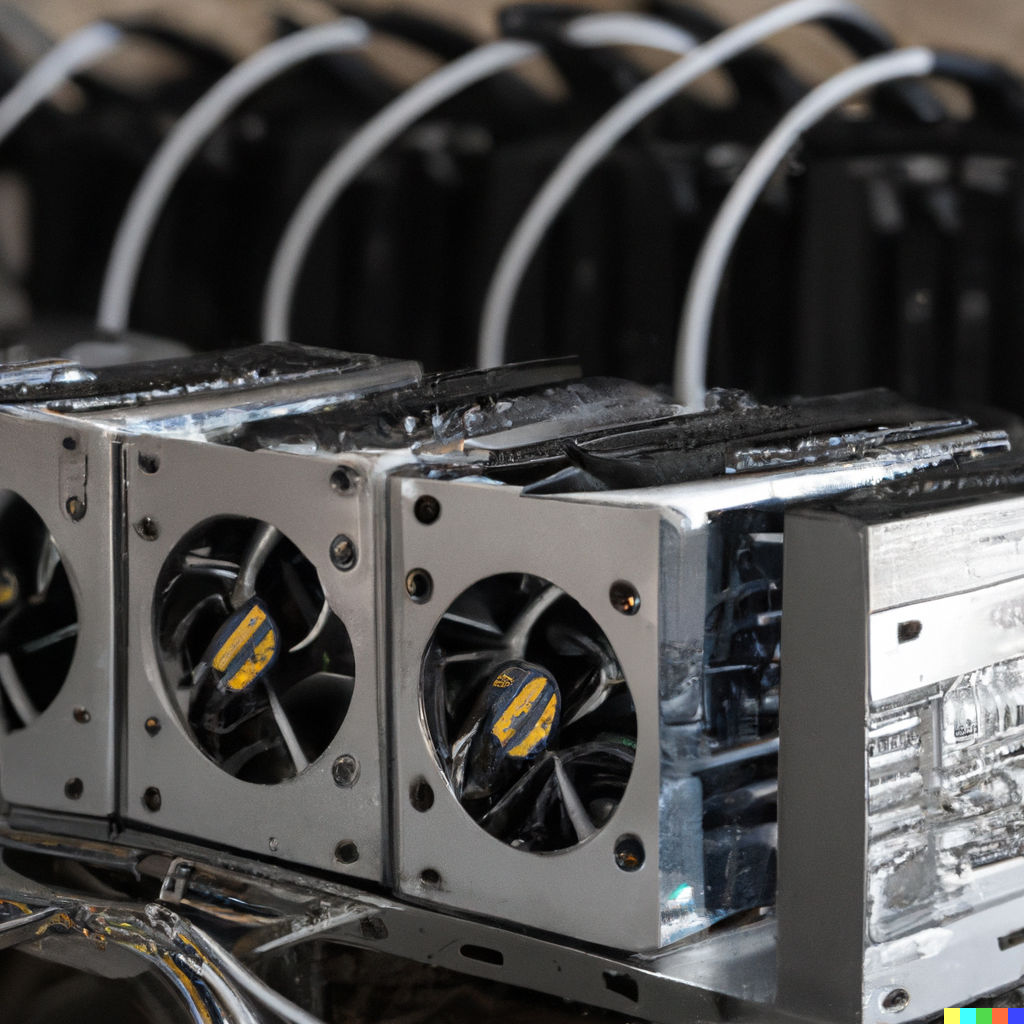


Bitcoin mining is a crucial component of the cryptocurrency ecosystem, serving as the backbone that validates transactions and secures the network. This process involves solving complex mathematical problems, which requires significant computational power and energy. In this article, we will explore the testing of Bitcoin miners, the impact of market trends, and the future of mining in the evolving landscape of cryptocurrency.
How Bitcoin Miners Are Tested
Before a Bitcoin miner goes live, it undergoes a rigorous testing process to ensure optimal performance. According to OneMiners, this process includes unboxing, burn-in tests, and checks for hashrate and temperature. These steps are essential to guarantee that the miner operates efficiently and reliably once deployed.
Testing is not just about performance; it also involves ensuring that the miner can handle the operational demands of a mining farm. Factors such as cooling systems and power supply stability are critical. Miners that pass these tests are more likely to succeed in the competitive mining environment.
The Role of Energy Consumption
Energy consumption is a significant concern in Bitcoin mining. The process requires vast amounts of electricity, leading to discussions about sustainability and environmental impact. As energy costs fluctuate, miners must adapt their strategies to remain profitable. Recent reports indicate that Bitcoin mining operations are increasingly looking for renewable energy sources to mitigate costs and environmental concerns.

Market Trends Affecting Bitcoin Mining
The cryptocurrency market is highly volatile, and Bitcoin mining is no exception. For instance, Bitcoin prices have seen significant fluctuations, impacting miners’ profitability. As noted by Bitcoin Magazine, Bitcoin’s price recently fell by 14% in a week, which can directly affect mining operations.
Moreover, the introduction of Bitcoin ETFs has also influenced market dynamics. According to Decrypt, Bitcoin ETFs experienced significant outflows, which can lead to increased market volatility and impact miners’ decisions.
Future of Bitcoin Mining
As the cryptocurrency landscape evolves, so does Bitcoin mining. Innovations in technology and shifts in regulatory frameworks will shape the future of mining operations. Miners are increasingly investing in advanced hardware and exploring new mining locations to optimize their operations.
Furthermore, the rise of decentralized finance (DeFi) and other blockchain technologies may create new opportunities for miners. As traditional finance races to adapt to these changes, Bitcoin miners must stay informed about market trends and technological advancements to remain competitive.
Conclusion
Bitcoin mining is a complex and ever-evolving field that plays a vital role in the cryptocurrency ecosystem. Understanding the testing processes, energy consumption, and market trends is essential for anyone interested in this space. As the industry continues to grow, staying informed will be crucial for miners and investors alike.