
Bitcoin mining is a crucial component of the cryptocurrency ecosystem, serving as the process through which new bitcoins are created and transactions are verified. As the demand for Bitcoin continues to rise, understanding the intricacies of mining becomes increasingly important.
What is Bitcoin Mining?
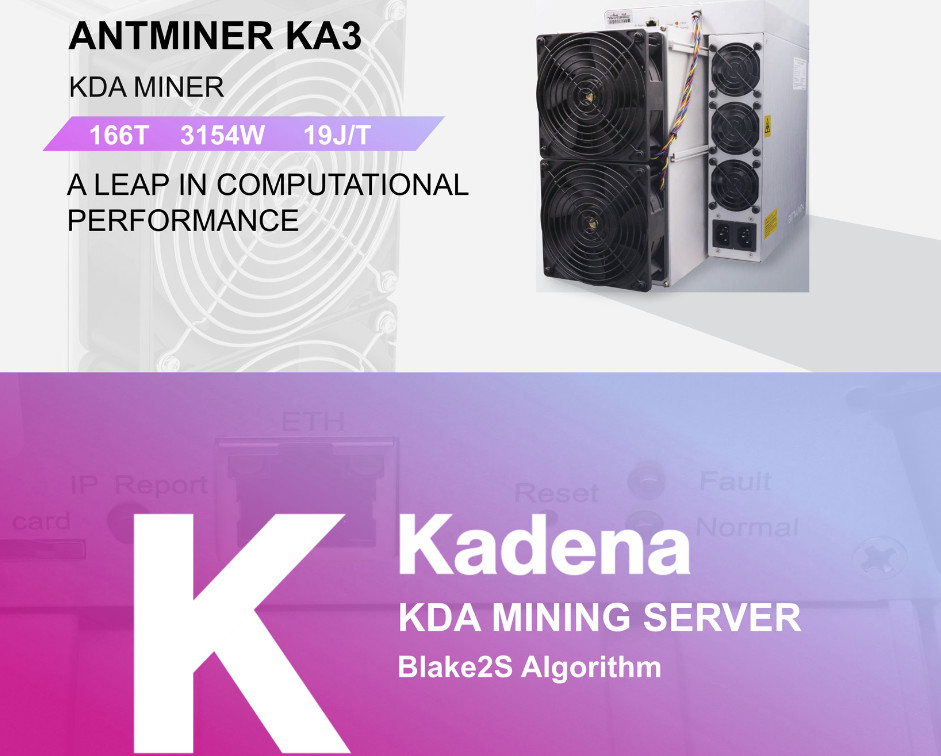
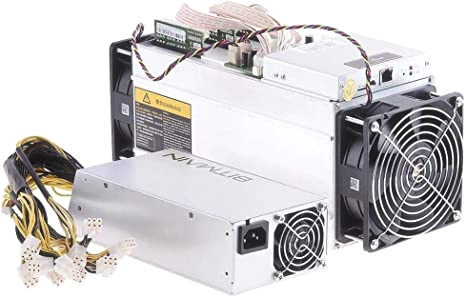
At its core, Bitcoin mining involves solving complex mathematical problems to validate transactions on the Bitcoin network. Miners use powerful computers, known as ASICs (Application-Specific Integrated Circuits), to compete in solving these problems. The first miner to solve the problem gets to add a new block to the blockchain and is rewarded with newly minted bitcoins.
The Mining Process
The mining process can be broken down into several key steps:
- Transaction Verification: Miners collect transactions from the Bitcoin network and verify their authenticity.
- Block Creation: Verified transactions are grouped into a block.
- Proof of Work: Miners compete to solve a cryptographic puzzle, known as proof of work, which requires significant computational power.
- Block Addition: The first miner to solve the puzzle broadcasts the new block to the network, and it is added to the blockchain.
As the Bitcoin network grows, the difficulty of mining increases, requiring more advanced hardware and greater energy consumption.
Challenges in Bitcoin Mining
Despite its profitability, Bitcoin mining is fraught with challenges:
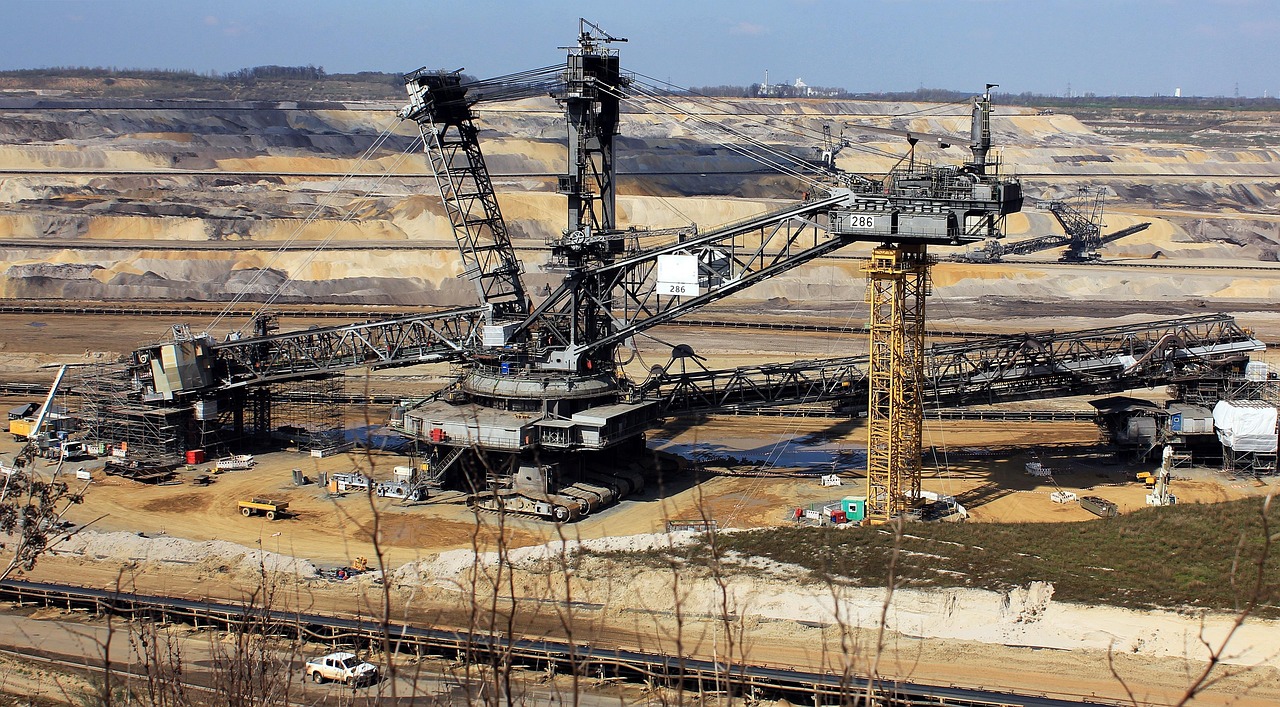
- Energy Consumption: Mining consumes a significant amount of electricity, leading to environmental concerns. According to CoinDesk, the energy demands of mining operations are a growing concern.
- Hardware Costs: The initial investment in mining hardware can be substantial, and miners must continually upgrade to remain competitive.
- Market Volatility: The profitability of mining is directly tied to the price of Bitcoin, which can fluctuate dramatically.
The Future of Bitcoin Mining
As the cryptocurrency landscape evolves, so too does Bitcoin mining. Innovations in technology, such as more efficient mining hardware and renewable energy sources, are being explored to mitigate some of the challenges faced by miners. Additionally, regulatory developments may shape the future of mining operations.
For a deeper understanding of mining technologies, check out the article on OneMiners.
Additional reading: Bitcoin Price Slips to Lows Not Seen Since 2024, Nasdaq Plunges 5% from Bitcoin Magazine.

Conclusion
Bitcoin mining remains a vital aspect of the cryptocurrency ecosystem, presenting both opportunities and challenges. As technology advances and the market evolves, miners must adapt to stay competitive while addressing environmental and economic concerns.