

Bitcoin mining is a crucial process that underpins the entire Bitcoin network. It involves solving complex mathematical problems to validate transactions and add them to the blockchain. This article delves into the mechanics of Bitcoin mining, its challenges, and the future of this essential activity.
What is Bitcoin Mining?
At its core, Bitcoin mining is the process of using computational power to secure the Bitcoin network. Miners compete to solve cryptographic puzzles, and the first to solve the puzzle gets to add a new block to the blockchain and is rewarded with newly minted bitcoins.
How Does Bitcoin Mining Work?
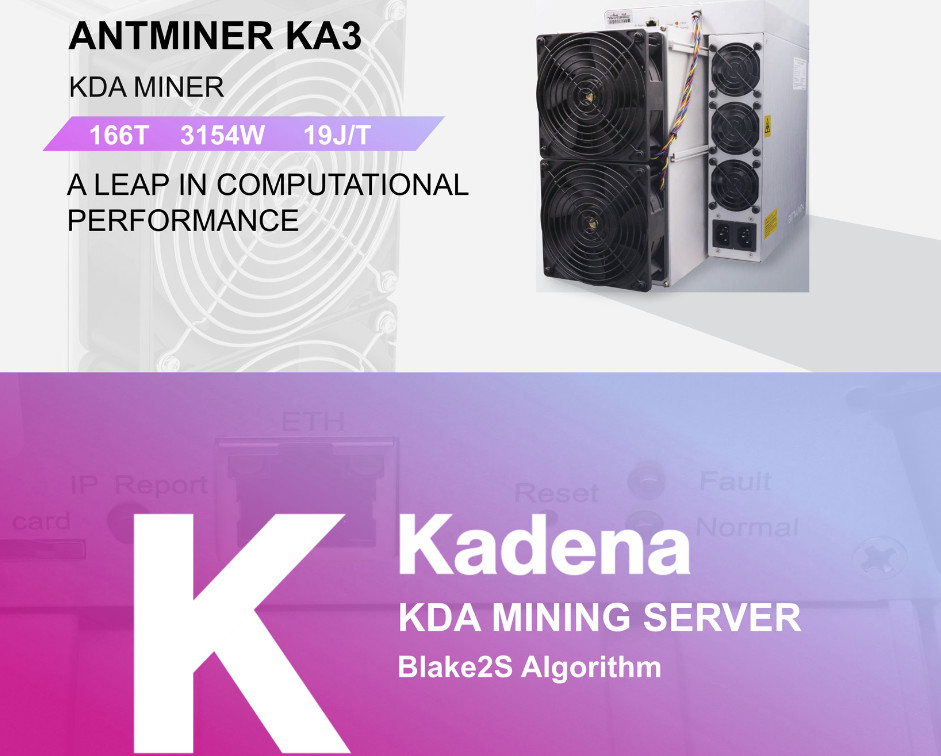
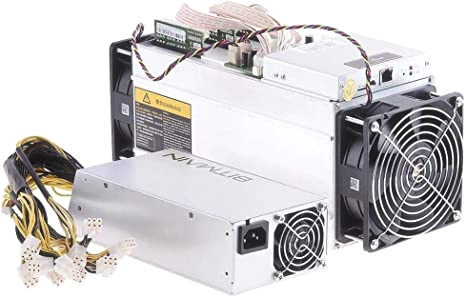
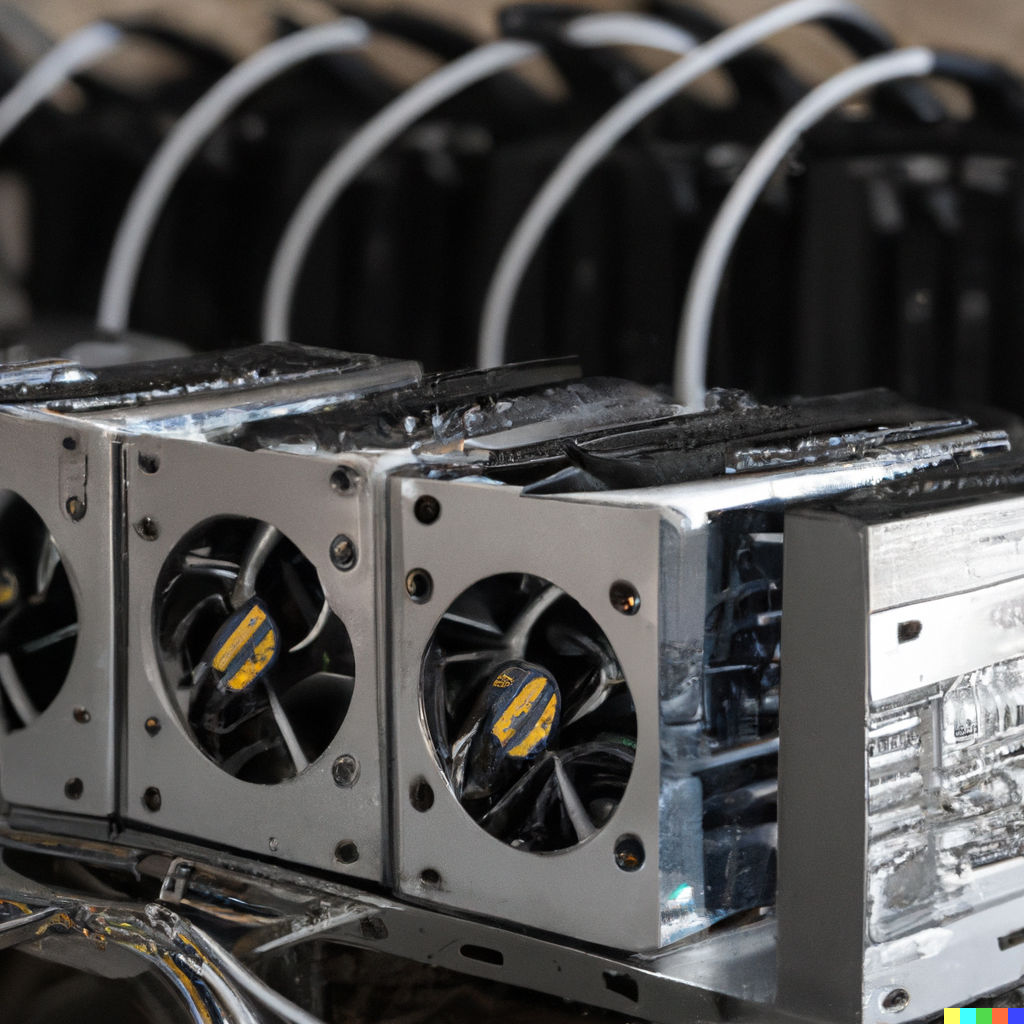
Miners use specialized hardware known as ASICs (Application-Specific Integrated Circuits) to perform the calculations required for mining. These devices are optimized for the specific task of mining Bitcoin, making them much more efficient than standard computers.
Once a miner successfully adds a block to the blockchain, they receive a reward in the form of bitcoins. This reward is halved approximately every four years in an event known as the halving, which helps control the supply of Bitcoin and maintain its scarcity.

The Challenges of Bitcoin Mining
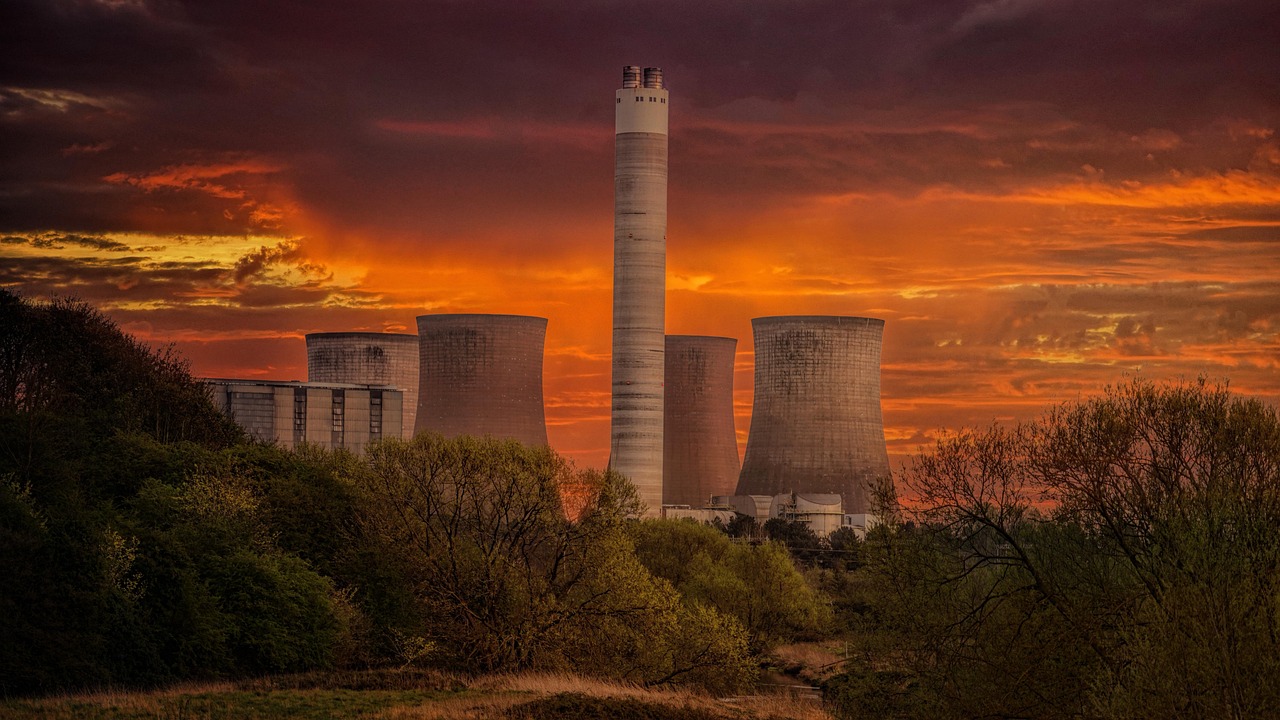
While Bitcoin mining can be lucrative, it is not without its challenges. The increasing difficulty of mining puzzles means that miners need more powerful hardware and more electricity to remain competitive. This has led to concerns about the environmental impact of Bitcoin mining, as it consumes a significant amount of energy.
In addition to energy consumption, miners face regulatory challenges. As governments around the world grapple with the implications of cryptocurrencies, regulations can change rapidly, impacting the viability of mining operations.
Future Trends in Bitcoin Mining
The future of Bitcoin mining is likely to be shaped by advancements in technology and changes in regulatory frameworks. Innovations such as more energy-efficient mining hardware and the use of renewable energy sources could help mitigate some of the environmental concerns associated with mining.
Furthermore, as the Bitcoin network matures, the role of mining may evolve. For instance, some experts suggest that the integration of AI and machine learning could optimize mining operations, making them more efficient and less resource-intensive.
Moreover, the rise of decentralized finance (DeFi) and other blockchain applications could create new opportunities for miners. As the ecosystem expands, miners may find new ways to monetize their computational power beyond just mining Bitcoin.
Conclusion
Bitcoin mining is a complex and evolving field that plays a vital role in the cryptocurrency ecosystem. Understanding its mechanics, challenges, and future trends is essential for anyone interested in the world of digital currencies. For more insights on cryptocurrency mining, check out the detailed article on OneMiners.
For further reading on the impact of market fluctuations on Bitcoin, visit CoinDesk and Bitcoin Magazine.